What to Know Before Visiting an Onsen in Japan
By Kai Howe
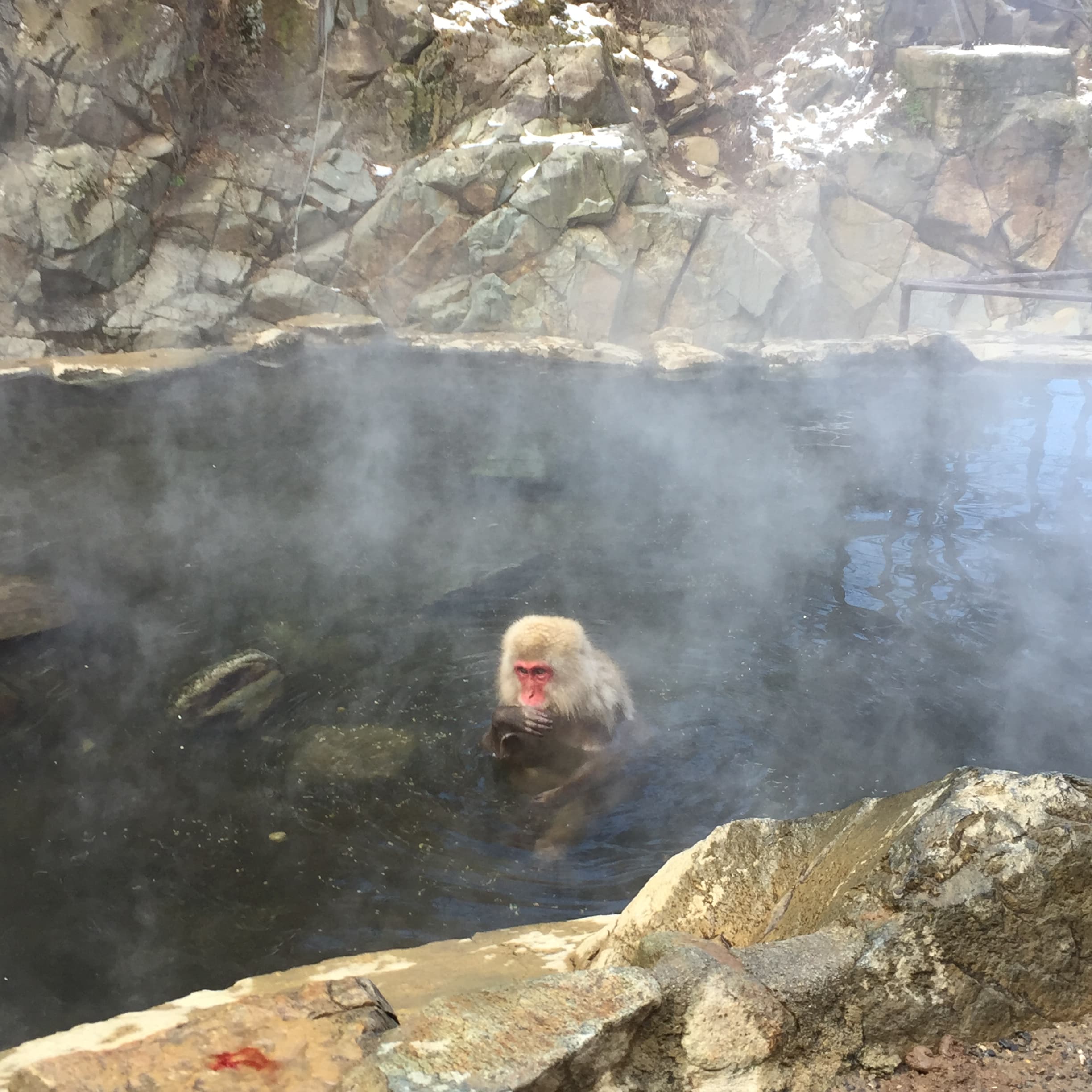
I highly encourage anyone visiting Japan for the first time to take a bath at an onsen or local sentō after a long day of sightseeing. If you are coming from Europe or other parts of Asia, you may already be familiar with public bathing culture. If you are coming from the Americas, the idea of getting naked and bathing with strangers may feel a little more intimidating.
But trust me, once you get past that cultural barrier, it can become one of the most relaxing experiences of a trip to Japan.
Japan’s location along active tectonic and volcanic zones have created thousands of natural hot springs across the country. Some of Japan’s earliest written records, including the Nihon Shoki, completed in 720 AD, mention famous hot springs such as Dōgo Onsen in Ehime Prefecture.
Bathing also developed deeper cultural associations with cleanliness, purification, rest, and healing; especially amongst Shinto believers. Emperors, monks, samurai, and injured soldiers visited hot springs, which were believed to help the body recover. Over time, bathing culture expanded beyond the elite and became part of everyday life. Farmers and laborers used communal baths after long days of work, while traditional ryokan developed around well-known hot spring areas to accommodate travelers.
Throughout much of the 20th century, particularly in cities such as Tokyo, many homes and apartments did not have their own bath. Residents would walk to the neighborhood sentō, pay a small fee, and bring their own towel and toiletries.
That culture still exists today.
An onsen is a bath supplied by natural hot spring water that meets specific requirements under Japanese law, while a sentō is simply a public bath, usually using heated tap water.
In Tokyo, you can still find countless neighborhood sentō, where entry often costs somewhere around ¥500–1,000. Some are very simple, while others have saunas, cold baths, outdoor areas, and several different pools.
Onsen, meanwhile, are more commonly associated with areas of strong geothermal activity and famous hot spring towns such as Hakone in Kanagawa, Beppu in Ōita, and Kusatsu in Gunma. Some are attached to ryokan and hotels, but many also offer day-use bathing without requiring an overnight stay.
Whether you are visiting an onsen or a sentō, the basic etiquette is largely the same.
Before entering the bath
At the entrance, you will usually pay at a reception counter or sometimes through an automated ticket machine.
If you have not brought a towel, you can normally buy or rent one. Many people use a small bathing towel inside and a larger towel for drying afterward, although you will often see regulars doing everything with one small towel.
Once inside the changing room, remove all of your clothes and store your belongings in a locker, basket, or changing-room cubby.
And yes—you go into the bathing area completely naked.
Bring only your small towel with you.
It is also a good idea to drink some water beforehand. Hot baths and saunas can dehydrate you surprisingly quickly, especially if you plan to stay for a while.
Wash before you bathe
One of the most important rules is that you do not jump directly into the bath.
First, wash yourself at one of the shower stations lining the wall.
You will usually find a small stool facing a low-mounted shower, faucet, mirror, and plastic bucket. Rinse the stool before sitting down, then wash your body thoroughly. Shampoo and body wash are often provided, although this varies at smaller facilities.
You will sometimes see older regulars shaving or even brushing their teeth here. Personally, I would say you need to be a bit of a veteran before attempting the full routine without looking out of place.
Once you are finished, rinse yourself thoroughly so there is no soap left on your body. You can also fill the small bucket with hot water and pour it over yourself before entering the bath.
Finally, rinse off the stool and shower area for the next person.
Now you are ready.
Exploring the baths
At a large onsen, there can be an almost overwhelming number of bathing options.
Most places will at least have an indoor bath, or ofuro, and larger facilities may also have a rotenburo—an outdoor bath—and a mizuburo, or cold-water bath.
My usual routine is to spend a few minutes in the indoor bath, then head outside and relax in the rotenburo for longer. Once I start feeling too warm, I dip into the mizuburo for a short time and then sit outside for a few minutes.
If there is a sauna, the classic routine is some time in the sauna, followed by the cold bath, and then a period of rest.
In Japanese sauna culture, you may hear the word totonou. It literally has the sense of becoming ordered or balanced, but in sauna terms it describes the calm, slightly euphoric feeling that can come after cycling between heat, cold, and rest.
If you time it well, you will understand exactly what people mean.
One important rule: your small towel should never go into the bath water. You can leave it on the side or, if you want to look like you have been doing this for years, fold it into a small rectangle and balance it on your head while you soak.
After the bath
When you are finished, you can return to the shower area. Some people rinse again, while others prefer not to rinse after bathing in natural hot spring water so that the minerals remain on their skin. Customs vary, so follow any instructions at the facility.
Before walking back into the changing room, wring out your small towel and dry off as much as possible.
The last thing you want to do is walk through the changing room dripping water everywhere.
Once you are dressed, there is one final part of the experience.
Grab yourself a bottle of coffee milk from the vending machine or refrigerator. Another increasingly popular option, particularly after a sauna, is an Oropo, a mixture of Oronamin C and Pocari Sweat.
After sitting in hot water for half an hour, it tastes far better than it probably should.
The first visit to an onsen or sentō can feel intimidating, but the etiquette is actually quite simple: wash before entering the bath, keep your towel out of the water, do not splash around, and be considerate of the people around you.
Follow those rules, and the local ojichan and obachan will probably give you their approval to visit again.